CONTACT US TODAY AT 212-605-0343
Respiratory Conditions That Qualify for SSDI Benefits

Respiratory Conditions That May Qualify for

SSDI and SSI Benefits


The Social Security Administration evaluates respiratory disorders under Section 3.00 of the Blue Book. To qualify for social security disability benefits, your respiratory condition must either meet the specific criteria outlined in one of the Blue Book listings or be severe enough to prevent you from performing any substantial gainful activity.


How the SSA Evaluates Respiratory Disorders

The SSA uses two pathways to determine if your lung condition qualifies for social security disability benefits. First, you can meet or equal one of the specific listings in Section 3.00 by providing medical evidence that satisfies the stated criteria. Second, if your condition doesn’t meet a listing, you may still qualify through a residual functional capacity (RFC) assessment that demonstrates your limitations prevent you from working. Understanding which pathway applies to your case can be complex, and a Social Security Disability lawyer can help you determine the strongest approach for your claim.


Section 3.00 requires objective medical evidence from acceptable medical sources. The SSA relies primarily on pulmonary function testing and arterial blood gas studies to measure the severity of your respiratory impairment. These tests must be performed according to specific protocols outlined in the Blue Book Section 3.00.

Chronic Obstructive Pulmonary Disease (COPD)


COPD is a disability that may qualify for social security disability benefits when pulmonary function testing shows your FEV1 (forced expiratory volume in one second) falls below specific thresholds. For individuals of average height, the SSA requires an FEV1 equal to or less than 1.05 liters for approval. The exact FEV1 requirement varies based on your height, with shorter individuals having lower thresholds and taller individuals having higher thresholds.


COPD includes both emphysema and chronic bronchitis. The condition must persist despite prescribed treatment, meaning you’ve followed your doctor’s recommendations for medications, oxygen therapy, and other interventions, but still experience significant limitations. The SSA also considers the frequency and severity of exacerbations that require physician intervention or hospitalization.


Many people ask what stage of COPD qualifies for social security disability benefits. You don’t need to be at end-stage COPD to qualify. If your pulmonary function tests meet the Blue Book criteria or if you require supplemental oxygen therapy due to chronic hypoxemia, you may qualify regardless of which COPD stage you’re classified under medically.

Contact A Lawyer Today

"*" indicates required fields

Asthma and Social Security Disability

Asthma is a disability that may qualify for SSDI when you experience attacks despite prescribed treatment, and these attacks require physician intervention at least once every two months or at least six times per year. Each attack must last at least one day and require intensive treatment, such as intravenous bronchodilator or antibiotic administration, prolonged inhalational bronchodilator therapy, or intubation with mechanical ventilation.


The SSA evaluates asthma disabilities based on the frequency, severity, and duration of attacks rather than pulmonary function test results alone. Between attacks, your pulmonary function tests may appear normal, but the pattern of severe, frequent exacerbations despite proper treatment can still qualify you for social security disability benefits.


The prescribed treatment requirement means you must be following your doctor’s recommended treatment plan, including controller medications and avoiding known triggers when possible. The SSA will review your medical records to confirm that your asthma remains severe despite compliance with treatment protocols.


Sleep Apnea and Respiratory Disorders

Severe sleep apnea is a disability that may qualify for social security disability benefits when it results in daytime hypercapnia or cor pulmonale. Sleep apnea alone, without these complications, typically does not qualify for social security disability benefits. The SSA requires objective evidence from arterial blood gas studies showing elevated carbon dioxide levels during the day or medical evidence of right heart failure caused by pulmonary hypertension.


Many people with sleep apnea use CPAP machines successfully and can continue working. The condition must cause severe respiratory impairment that persists despite prescribed treatment with continuous positive airway pressure therapy. If your sleep apnea leads to chronic respiratory failure or heart complications, you may qualify under the respiratory listings in the SSA’s Blue Book.


Sleep apnea can also contribute to social security disability approval when combined with other respiratory or cardiac conditions. The SSA will evaluate the combined effects of multiple impairments even if no single condition meets a listing on its own.


Pulmonary Hypertension Disability Benefits

Chronic pulmonary hypertension is a disability that may qualify for social security disability benefits when it causes mean pulmonary artery pressure greater than 40 mm Hg or results in cor pulmonale. The diagnosis requires right heart catheterization or other acceptable evidence showing elevated pulmonary artery pressures. The SSA also considers whether you have arterial hypoxemia requiring supplemental oxygen.


Pulmonary hypertension can result from chronic lung disease, pulmonary vascular disease, or other causes. Regardless of the underlying cause, the key factor is demonstrating the severity of your pulmonary hypertension through objective medical testing. The condition must significantly limit your ability to perform physical activities.


Other Respiratory Conditions That May Qualify for SSDI and SSI Benefits

Cystic fibrosis is a disability that may qualify for social security disability benefits when it causes chronic pulmonary infections, pulmonary hemorrhage, or when pulmonary function test results meet specific thresholds. The SSA includes cystic fibrosis on its Compassionate Allowances list for expedited processing when the condition meets certain criteria.


Pulmonary fibrosis and other chronic restrictive ventilatory disorders may qualify when pulmonary function testing shows FVC (forced vital capacity) equal to or less than the minimum values in Table 1: FEV1 Criteria for 3.02A (shown below) or when you have chronic hypoxemia requiring supplemental oxygen. These conditions cause progressive scarring of lung tissue that reduces lung capacity and gas exchange.


Table I: FEV1 Criteria for 3.02A
Height without shoes
(centimeters)
< means less than
Height without shoes
(inches)
< means less than
Table I-A
Age 18 to attainment of age 20
Table I-B
Age 20 or older
Females
FEV1 less than or equal to
(L, BTPS)
Males
FEV1 less than or equal to
(L, BTPS)
Females
FEV1 less than or equal to
(L, BTPS)
Males
FEV1 less than or equal to
(L, BTPS)
<153.0 <60.25 1.20 1.45 1.05 1.20
153.0 to <159.0 60.25 to <62.50 1.30 1.55 1.15 1.35
159.0 to <164.0 62.50 to <64.50 1.40 1.65 1.25 1.40
164.0 to <169.0 64.50 to <66.50 1.45 1.75 1.35 1.50
169.0 to <174.0 66.50 to <68.50 1.55 1.85 1.45 1.60
174.0 to <180.0 68.50 to <70.75 1.65 2.00 1.55 1.75
180.0 to <185.0 70.75 to <72.75 1.75 2.10 1.65 1.85
185.0 or more 72.75 or more 1.80 2.15 1.70 1.90

Bronchiectasis may qualify when it causes exacerbations or complications requiring physician intervention at least once every two months or at least six times per year. The SSA evaluates bronchiectasis similarly to asthma, focusing on the frequency and severity of acute episodes despite prescribed treatment.


Lung transplantation automatically qualifies you for disability benefits for one year following the transplant surgery under the Compassionate Allowances program. After the first year, the SSA will reevaluate your case based on your remaining respiratory function and any complications from the transplant or immunosuppressive therapy.


Medical Evidence Required for Approval

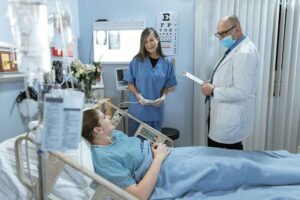
A patient with COPD lays in a hospital bed as she talks to her doctors about receiving social security disability benefits. The SSA requires specific medical evidence to evaluate respiratory disorders. A Social Security Disability lawyer can help ensure your pulmonary function tests and other medical evidence meet SSA requirements, as technical errors in testing procedures can lead to claim denials and the appeals process.


Pulmonary function tests must be performed using equipment and techniques that meet the standards outlined in Section 3.00. These tests measure your FEV1, FVC, and other values that indicate how well your lungs function. The testing must be done at least twice, with results showing consistent impairment.


Arterial blood gas studies measure the oxygen and carbon dioxide levels in your blood. These studies are required when you claim chronic hypoxemia or hypercapnia. The tests must be performed at rest and must show values that meet or exceed the criteria in the Blue Book listings.


Imaging studies, such as chest X-rays or CT scans, help document structural abnormalities in your lungs but cannot substitute for pulmonary function testing in most cases. The SSA uses imaging to confirm diagnoses and identify complications, but relies on objective function tests to measure severity.


Treatment records must show you’ve been following prescribed treatment for at least three months before the SSA will consider your condition to meet a listing. This documentation should include your medication history, oxygen therapy requirements, hospitalizations for respiratory complications, and notes from your treating physicians about how your condition affects your daily activities.


How a Social Security Disability Lawyer Can Help

Understanding the complex medical criteria for respiratory disorders can be challenging when filing for disability benefits. A Social Security Disability lawyer can review your medical records to determine if your condition meets a Blue Book listing or if you need additional testing to establish eligibility. They can also ensure your pulmonary function tests and arterial blood gas studies were performed according to SSA requirements.


Many respiratory cases require a residual functional capacity assessment when the condition doesn’t precisely meet a listing. A lawyer can help document how your breathing difficulties, fatigue, and medication side effects limit your ability to work. This includes explaining how frequent exacerbations, oxygen dependence, or other factors prevent you from maintaining employment.


If you have questions about whether your respiratory condition may qualify for SSDI and SSI benefits, contact Bender & Bender at 212-605-0343 to discuss your case.


Frequently Asked Questions About Respiratory Disability Benefits

Will COPD qualify for SSDI and SSI benefits?

Yes, COPD may qualify for SSDI benefits when your FEV1 falls below the thresholds in Blue Book Section 3.00, or you require supplemental oxygen due to chronic hypoxemia. See the COPD section above for specific FEV1 requirements based on height.

Is asthma a disability?

Asthma may qualify for SSDI benefits when you experience severe attacks requiring physician intervention at least once every two months or six times per year despite prescribed treatment. See the asthma section above for the specific criteria.

Can you get disability for sleep apnea?

Sleep apnea alone rarely qualifies for disability benefits. You may qualify only if severe sleep apnea causes daytime hypercapnia or cor pulmonale despite using CPAP therapy as prescribed. See the sleep apnea section above for details.

What lung conditions may qualify for disability?

Respiratory conditions that may qualify include COPD, chronic asthma, pulmonary hypertension, cystic fibrosis, chronic bronchitis, pulmonary fibrosis, emphysema, bronchiectasis, and conditions requiring lung transplantation. Each condition must meet specific medical criteria outlined in Blue Book Section 3.00.

Bender and Bender Lawyers outside courthouse.
Paperwork needing a social security disability appeal.

Was your application denied?

Medical records helping with compassionate allowance.

Do you have a severe medical condition?

A patient talks to their doctor about qualifying for social security disability benefits.

Wondering what other conditions qualify for SSDI benefits?

A lawyer's bookshelf contains books about the social security disability claim process.

Want to learn about the Social Security Disability claims process?

Social Security Frequently Asked Questions Blocks

Want to see what questions our clients typically ask us?

Social Security Benefits Calculator calculating clients benefits.

Wondering how to calculate your benefits?

Bender and Bender Lawyers outside courthouse.

"*" indicates required fields

Respiratory Conditions That May Qualify for SSDI and SSI Benefits

The Social Security Administration evaluates respiratory disorders under Section 3.00 of the Blue Book. To qualify for social security disability benefits, your respiratory condition must either meet the specific criteria outlined in one of the Blue Book listings or be severe enough to prevent you from performing any substantial gainful activity.


How the SSA Evaluates Respiratory Disorders

The SSA uses two pathways to determine if your lung condition qualifies for social security disability benefits. First, you can meet or equal one of the specific listings in Section 3.00 by providing medical evidence that satisfies the stated criteria. Second, if your condition doesn’t meet a listing, you may still qualify through a residual functional capacity (RFC) assessment that demonstrates your limitations prevent you from working. Understanding which pathway applies to your case can be complex, and a Social Security Disability lawyer can help you determine the strongest approach for your claim.


Section 3.00 requires objective medical evidence from acceptable medical sources. The SSA relies primarily on pulmonary function testing and arterial blood gas studies to measure the severity of your respiratory impairment. These tests must be performed according to specific protocols outlined in the Blue Book Section 3.00.

Contact A Lawyer Today

"*" indicates required fields

Chronic Obstructive Pulmonary Disease (COPD)

COPD is a disability that may qualify for social security disability benefits when pulmonary function testing shows your FEV1 (forced expiratory volume in one second) falls below specific thresholds. For individuals of average height, the SSA requires an FEV1 equal to or less than 1.05 liters for approval. The exact FEV1 requirement varies based on your height, with shorter individuals having lower thresholds and taller individuals having higher thresholds.


COPD includes both emphysema and chronic bronchitis. The condition must persist despite prescribed treatment, meaning you’ve followed your doctor’s recommendations for medications, oxygen therapy, and other interventions, but still experience significant limitations. The SSA also considers the frequency and severity of exacerbations that require physician intervention or hospitalization.


Many people ask what stage of COPD qualifies for social security disability benefits. You don’t need to be at end-stage COPD to qualify. If your pulmonary function tests meet the Blue Book criteria or if you require supplemental oxygen therapy due to chronic hypoxemia, you may qualify regardless of which COPD stage you’re classified under medically.

Asthma and Social Security Disability

Asthma is a disability that may qualify for SSDI when you experience attacks despite prescribed treatment, and these attacks require physician intervention at least once every two months or at least six times per year. Each attack must last at least one day and require intensive treatment, such as intravenous bronchodilator or antibiotic administration, prolonged inhalational bronchodilator therapy, or intubation with mechanical ventilation.


The SSA evaluates asthma disabilities based on the frequency, severity, and duration of attacks rather than pulmonary function test results alone. Between attacks, your pulmonary function tests may appear normal, but the pattern of severe, frequent exacerbations despite proper treatment can still qualify you for social security disability benefits.


The prescribed treatment requirement means you must be following your doctor’s recommended treatment plan, including controller medications and avoiding known triggers when possible. The SSA will review your medical records to confirm that your asthma remains severe despite compliance with treatment protocols.


Sleep Apnea and Respiratory Disorders

Severe sleep apnea is a disability that may qualify for social security disability benefits when it results in daytime hypercapnia or cor pulmonale. Sleep apnea alone, without these complications, typically does not qualify for social security disability benefits. The SSA requires objective evidence from arterial blood gas studies showing elevated carbon dioxide levels during the day or medical evidence of right heart failure caused by pulmonary hypertension.


Many people with sleep apnea use CPAP machines successfully and can continue working. The condition must cause severe respiratory impairment that persists despite prescribed treatment with continuous positive airway pressure therapy. If your sleep apnea leads to chronic respiratory failure or heart complications, you may qualify under the respiratory listings in the SSA’s Blue Book.


Sleep apnea can also contribute to social security disability approval when combined with other respiratory or cardiac conditions. The SSA will evaluate the combined effects of multiple impairments even if no single condition meets a listing on its own.


Pulmonary Hypertension Disability Benefits

Chronic pulmonary hypertension is a disability that may qualify for social security disability benefits when it causes mean pulmonary artery pressure greater than 40 mm Hg or results in cor pulmonale. The diagnosis requires right heart catheterization or other acceptable evidence showing elevated pulmonary artery pressures. The SSA also considers whether you have arterial hypoxemia requiring supplemental oxygen.


Pulmonary hypertension can result from chronic lung disease, pulmonary vascular disease, or other causes. Regardless of the underlying cause, the key factor is demonstrating the severity of your pulmonary hypertension through objective medical testing. The condition must significantly limit your ability to perform physical activities.


Other Respiratory Conditions That May Qualify for SSDI and SSI Benefits

Cystic fibrosis is a disability that may qualify for social security disability benefits when it causes chronic pulmonary infections, pulmonary hemorrhage, or when pulmonary function test results meet specific thresholds. The SSA includes cystic fibrosis on its Compassionate Allowances list for expedited processing when the condition meets certain criteria.


Pulmonary fibrosis and other chronic restrictive ventilatory disorders may qualify when pulmonary function testing shows FVC (forced vital capacity) equal to or less than the minimum values in Table 1: FEV1 Criteria for 3.02A (shown below) or when you have chronic hypoxemia requiring supplemental oxygen. These conditions cause progressive scarring of lung tissue that reduces lung capacity and gas exchange.
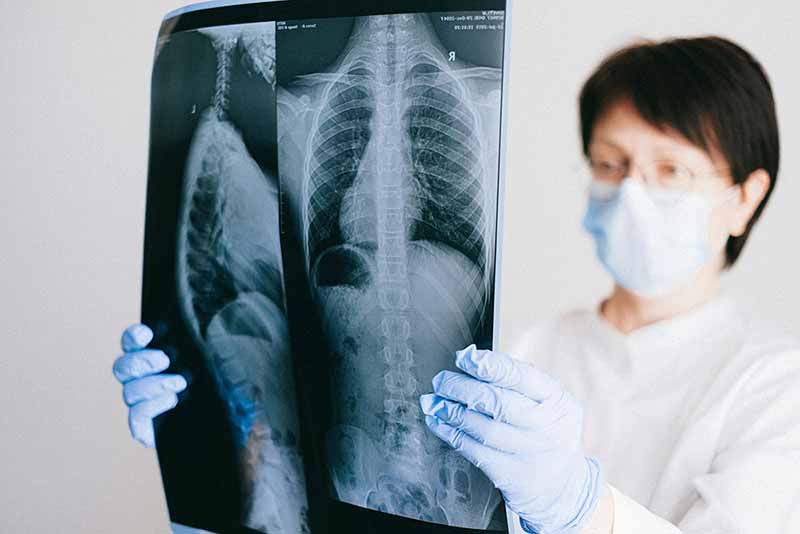
Table I: FEV1 Criteria for 3.02A
Height without shoes
(centimeters)
< means less than
Height without shoes
(inches)
< means less than
Table I-A
Age 18 to attainment of age 20
Table I-B
Age 20 or older
Females
FEV1 less than or equal to
(L, BTPS)
Males
FEV1 less than or equal to
(L, BTPS)
Females
FEV1 less than or equal to
(L, BTPS)
Males
FEV1 less than or equal to
(L, BTPS)
<153.0 <60.25 1.20 1.45 1.05 1.20
153.0 to <159.0 60.25 to <62.50 1.30 1.55 1.15 1.35
159.0 to <164.0 62.50 to <64.50 1.40 1.65 1.25 1.40
164.0 to <169.0 64.50 to <66.50 1.45 1.75 1.35 1.50
169.0 to <174.0 66.50 to <68.50 1.55 1.85 1.45 1.60
174.0 to <180.0 68.50 to <70.75 1.65 2.00 1.55 1.75
180.0 to <185.0 70.75 to <72.75 1.75 2.10 1.65 1.85
185.0 or more 72.75 or more 1.80 2.15 1.70 1.90
Bender and Bender Lawyers outside courthouse.

"*" indicates required fields

Bronchiectasis may qualify when it causes exacerbations or complications requiring physician intervention at least once every two months or at least six times per year. The SSA evaluates bronchiectasis similarly to asthma, focusing on the frequency and severity of acute episodes despite prescribed treatment.


Lung transplantation automatically qualifies you for disability benefits for one year following the transplant surgery under the Compassionate Allowances program. After the first year, the SSA will reevaluate your case based on your remaining respiratory function and any complications from the transplant or immunosuppressive therapy.


Medical Evidence Required for Approval

A patient with COPD lays in a hospital bed as she talks to her doctors about receiving social security disability benefits.

The SSA requires specific medical evidence to evaluate respiratory disorders. A Social Security Disability lawyer can help ensure your pulmonary function tests and other medical evidence meet SSA requirements, as technical errors in testing procedures can lead to claim denials and the appeals process.

 

Pulmonary function tests must be performed using equipment and techniques that meet the standards outlined in Section 3.00. These tests measure your FEV1, FVC, and other values that indicate how well your lungs function. The testing must be done at least twice, with results showing consistent impairment.


Arterial blood gas studies measure the oxygen and carbon dioxide levels in your blood. These studies are required when you claim chronic hypoxemia or hypercapnia. The tests must be performed at rest and must show values that meet or exceed the criteria in the Blue Book listings.


Imaging studies, such as chest X-rays or CT scans, help document structural abnormalities in your lungs but cannot substitute for pulmonary function testing in most cases. The SSA uses imaging to confirm diagnoses and identify complications, but relies on objective function tests to measure severity.


Treatment records must show you’ve been following prescribed treatment for at least three months before the SSA will consider your condition to meet a listing. This documentation should include your medication history, oxygen therapy requirements, hospitalizations for respiratory complications, and notes from your treating physicians about how your condition affects your daily activities.


How a Social Security Disability Lawyer Can Help

Understanding the complex medical criteria for respiratory disorders can be challenging when filing for disability benefits. A Social Security Disability lawyer can review your medical records to determine if your condition meets a Blue Book listing or if you need additional testing to establish eligibility. They can also ensure your pulmonary function tests and arterial blood gas studies were performed according to SSA requirements.


Many respiratory cases require a residual functional capacity assessment when the condition doesn’t precisely meet a listing. A lawyer can help document how your breathing difficulties, fatigue, and medication side effects limit your ability to work. This includes explaining how frequent exacerbations, oxygen dependence, or other factors prevent you from maintaining employment.


If you have questions about whether your respiratory condition may qualify for SSDI and SSI benefits, contact Bender & Bender at 212-605-0343 to discuss your case.


Frequently Asked Questions About Respiratory Disability Benefits

Will COPD qualify for SSDI and SSI benefits?

Yes, COPD may qualify for SSDI benefits when your FEV1 falls below the thresholds in Blue Book Section 3.00, or you require supplemental oxygen due to chronic hypoxemia. See the COPD section above for specific FEV1 requirements based on height.

Is asthma a disability?

Asthma may qualify for SSDI benefits when you experience severe attacks requiring physician intervention at least once every two months or six times per year despite prescribed treatment. See the asthma section above for the specific criteria.

Can you get disability for sleep apnea?

Sleep apnea alone rarely qualifies for disability benefits. You may qualify only if severe sleep apnea causes daytime hypercapnia or cor pulmonale despite using CPAP therapy as prescribed. See the sleep apnea section above for details.

What lung conditions may qualify for disability?

Respiratory conditions that may qualify include COPD, chronic asthma, pulmonary hypertension, cystic fibrosis, chronic bronchitis, pulmonary fibrosis, emphysema, bronchiectasis, and conditions requiring lung transplantation. Each condition must meet specific medical criteria outlined in Blue Book Section 3.00.

Bender and Bender Lawyers outside courthouse.
Paperwork needing a social security disability appeal.

Was your application denied?

Medical records helping with compassionate allowance.

Do you have a severe medical condition?

A patient talks to their doctor about qualifying for social security disability benefits.

Wondering what other conditions qualify for SSDI benefits?

A lawyer's bookshelf contains books about the social security disability claim process.

Want to learn about the Social Security Disability claims process?

Social Security Frequently Asked Questions Blocks

Want to see what questions our clients typically ask us?

Social Security Benefits Calculator calculating clients benefits.

Wondering how to calculate your benefits?

Bender and Bender Lawyers outside courthouse.

"*" indicates required fields

This is New York Attorney Advertising. This website is designed for general information only.

The information presented in this site should not be construed to be formal legal advice nor the formation of a lawyer/client relationship.

We may rely on co-counsel for some or all of the cases. Prior results do not guarantee a similar outcome.