
Respiratory Conditions That May Qualify for
SSDI and SSI Benefits
The Social Security Administration evaluates respiratory disorders under Section 3.00 of the Blue Book. To qualify for social security disability benefits, your respiratory condition must either meet the specific criteria outlined in one of the Blue Book listings or be severe enough to prevent you from performing any substantial gainful activity.
How the SSA Evaluates Respiratory Disorders
The SSA uses two pathways to determine if your lung condition qualifies for social security disability benefits. First, you can meet or equal one of the specific listings in Section 3.00 by providing medical evidence that satisfies the stated criteria. Second, if your condition doesn’t meet a listing, you may still qualify through a residual functional capacity (RFC) assessment that demonstrates your limitations prevent you from working. Understanding which pathway applies to your case can be complex, and a Social Security Disability lawyer can help you determine the strongest approach for your claim.
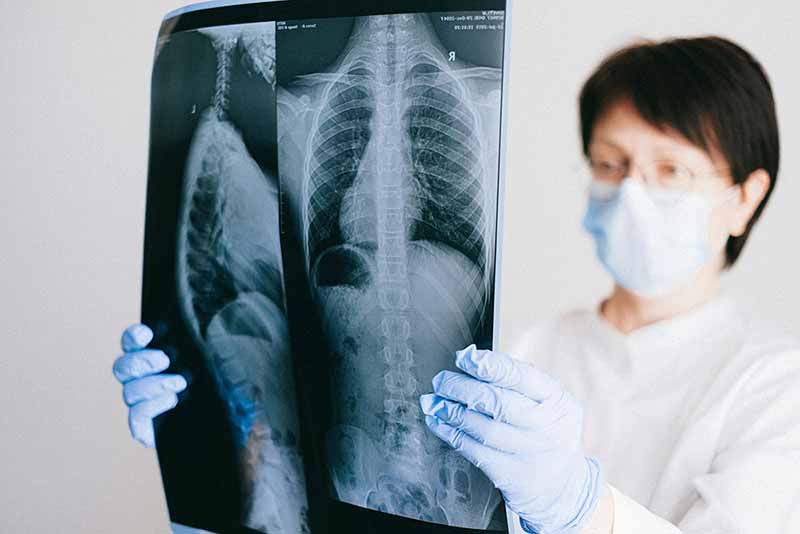
Section 3.00 requires objective medical evidence from acceptable medical sources. The SSA relies primarily on pulmonary function testing and arterial blood gas studies to measure the severity of your respiratory impairment. These tests must be performed according to specific protocols outlined in the Blue Book Section 3.00.
Chronic Obstructive Pulmonary Disease (COPD)
COPD is a disability that may qualify for social security disability benefits when pulmonary function testing shows your FEV1 (forced expiratory volume in one second) falls below specific thresholds. For individuals of average height, the SSA requires an FEV1 equal to or less than 1.05 liters for approval. The exact FEV1 requirement varies based on your height, with shorter individuals having lower thresholds and taller individuals having higher thresholds.
COPD includes both emphysema and chronic bronchitis. The condition must persist despite prescribed treatment, meaning you’ve followed your doctor’s recommendations for medications, oxygen therapy, and other interventions, but still experience significant limitations. The SSA also considers the frequency and severity of exacerbations that require physician intervention or hospitalization.
Many people ask what stage of COPD qualifies for social security disability benefits. You don’t need to be at end-stage COPD to qualify. If your pulmonary function tests meet the Blue Book criteria or if you require supplemental oxygen therapy due to chronic hypoxemia, you may qualify regardless of which COPD stage you’re classified under medically.
 The SSA requires specific medical evidence to evaluate respiratory disorders. A